Minimalism has been one of the most dominant design trends over the past few years. The style is often associated with a clean, elegant aesthetic and is sometimes even perceived as somewhat elitist because of its carefully curated simplicity. Its signature look typically features neutral color palettes such as white, gray, and beige used consistently throughout.
Although it conveys a modern and sophisticated impression, minimalism regained popularity after the 2008 financial crisis as a reaction to excessive consumerism. This new aesthetic prioritized a cool, understated feel rather than something overly dramatic.
Latest Post: The History of Egg Coffee in Hanoi: Where It All Began
Over time, however, some people have started to feel that this approach can appear soulless and monotonous because it feels too sterile. That doesn’t mean minimalism is inherently flawed, but when an overly plain style becomes the dominant standard, we can sometimes unknowingly drift away from our own cultural identities—even though many forms of traditional art are equally beautiful, richly detailed, and full of stories.
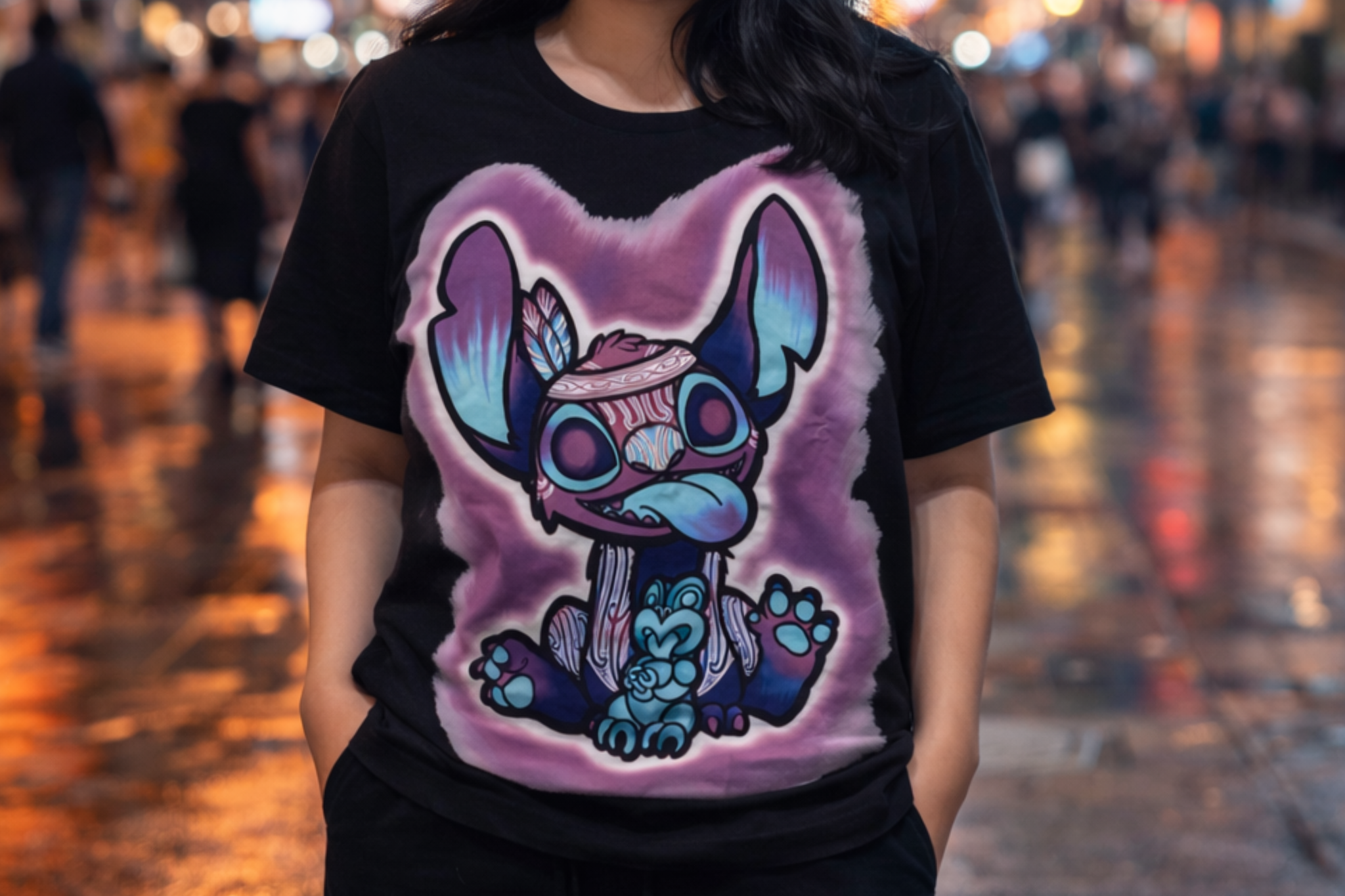
I Thought It Was Just a T-Shirt, Turns Out It Had Tā Moko Motifs

Since moving to New Zealand, I’ve become increasingly curious about Māori culture. The first Polynesian settlers arrived in Aotearoa around 1250 AD. To this day, many traditions and art forms that have existed for centuries are still preserved by Māori communities, such as tā moko (traditional tattooing), haka (performance combining chant and movement), and whakairo (carving).
On weekends, there are usually farmers markets filled with food trucks, souvenir stalls, and live music. For me, places like this are the perfect setting to experience the multicultural atmosphere of New Zealand while seeing how local culture and different communities meet in a relaxed and lively space.
One particular stall immediately caught my attention. They were selling printed tees and hoodies, but what made them unique was the use of Māori tā moko–inspired designs that appeared in almost all of their artwork, featuring distinctive spiral patterns and bold carved lines.
Even more interesting, the designs included well-known animated characters such as Stitch and Pikachu, as well as figures from Māori mythology. The clothing brand is called Netana Te Pou, and it is based in Hawke’s Bay.
Because the designs were so striking, I decided to buy a T-shirt priced at NZD 55. Some of the shirts displayed at the stall are also available on their online store, where most tees are priced between NZD 24-NZD 55.

The artist behind the brand apparently grew up watching cartoons from the 80s and 90s—titles like Street Fighter, Dragon Ball Z, and Pokémon. He also developed a passion for graffiti and video games, which eventually shaped his distinctive artistic style. In his work, he blends those influences with elements of Māori culture, creating anime-inspired designs with a cultural twist. Besides clothing, the stall also sells illustrated portraits.
The designs themselves are far from today’s minimalism trend, but that’s exactly where their charm lies—the boldness and uniqueness remain unmistakable. Through these designs, I found myself learning more about the tradition of tā moko.
A Closer Look at Māori Tā Moko
Māori tā moko is more than just a tattoo. For the Māori people of New Zealand, it is a sacred art form rich in meaning and passed down through generations. Every line and pattern carved into the skin represents a person’s identity—from their genealogy and social status to their life journey and personal achievements.
In a way, it can be compared to how certain historical fashions carried strong symbolic meaning. For example, the elaborate hairstyle known as the pouf, which became popular during the time of Marie Antoinette in the 18th century. One famous style, À la Belle Poule, was extremely expensive because it required intricate craftsmanship, rare materials, and specialized expertise to create. Unsurprisingly, such hairstyles were typically worn only by queens and members of the aristocracy.

Similarly, for Māori communities, every tā moko is unique—no two are exactly the same. The intricate motifs and detailed patterns reflect both the wearer’s personal story and the high level of artistry within Māori culture.
Traditionally, Māori tattooing did not use needles. Instead, artists used chisels and blades made from shark teeth, bone, or sharp stones—some smooth and others serrated. The ink was also made from natural materials, such as burned wood to produce black pigment, as well as other ingredients like fungus-infected caterpillars or burned kauri gum mixed with animal fat. These pigments were stored in decorated containers called oko, which often became treasured family heirlooms.

Within Māori culture, these tattoos are known specifically as tā moko, and they are far more than body decoration—they represent ancestry, identity, and a person’s place within their community. This is different from kirituhi (kiri meaning skin and tuhi meaning art), which refers to designs inspired by Māori art but without genealogical or ancestral meaning.
Because of this distinction, kirituhi is considered culturally appropriate for Pākehā (people of European descent), while tā moko is traditionally given only with recognition and connection to the Māori community.
One story about the origin of moko is connected to Rūaumoko, the unborn child of Papatūānuku, the earth mother. As he moved and kicked inside his mother’s womb, the earth trembled and shook, leaving cracks and marks upon her body. These marks were said to be the first moko—the lines left on the body of the earth mother by Rūaumoko’s restless movement.
Another story tells that the art of tā moko was brought from the underworld by Mataora, who married a spirit woman named Niwareka. After a conflict between them, Niwareka fled back to the underworld. Mataora followed her there and was eventually taught the art of tā moko by Niwareka’s father, Uetonga.
Today, the tradition of tā moko continues to be practiced by Māori communities. For them, it remains far more than body decoration—it is a powerful symbol of identity, ancestry, and life journeys. Because of its sacred nature, the practice is preserved with deep respect to ensure that its cultural and spiritual meanings are not lost over time.
Previous Posts




Leave a Reply